
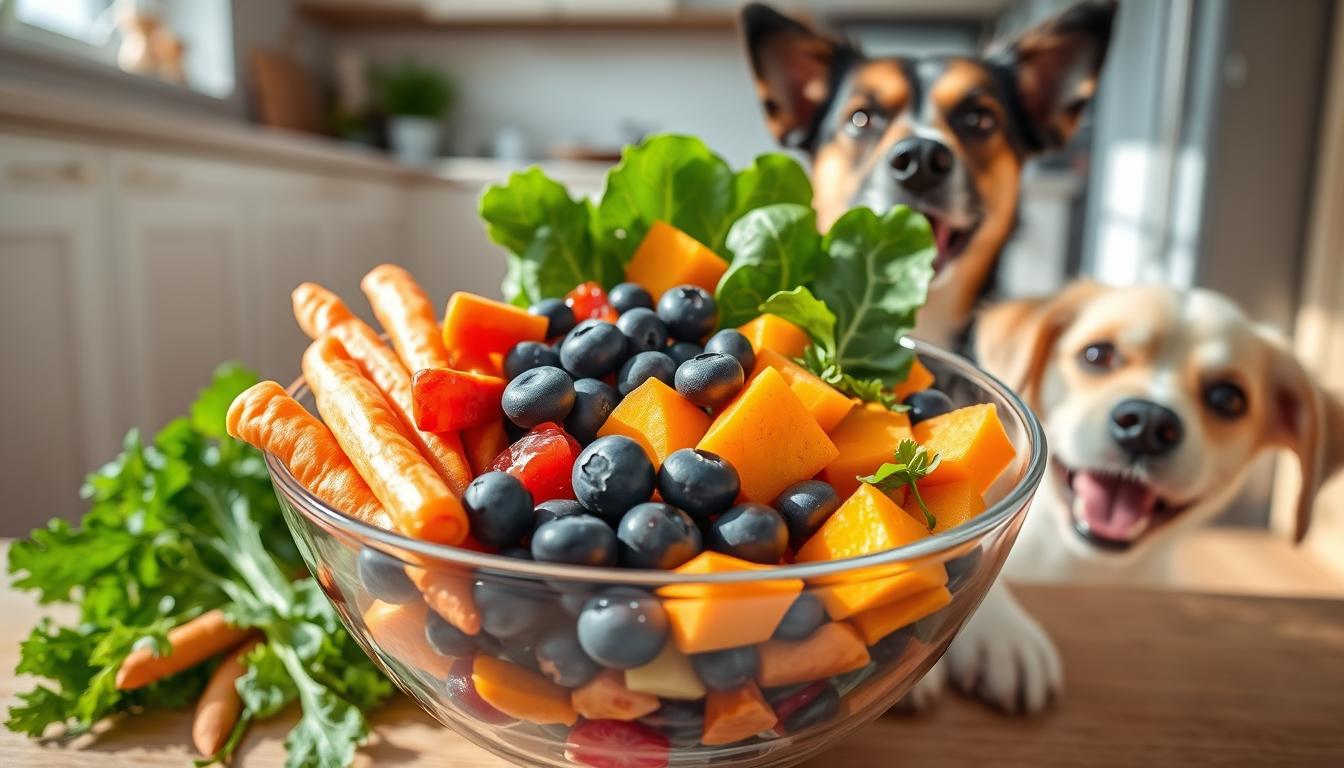
Many pet owners want the best for their dogs and look into fresh food diets. They worry about the quality of commercial pet foods. A fresh diet can improve a dog’s coat, digestion, and energy.
Homemade diets for dogs are becoming more popular. People are concerned about commercial dog food recalls. They like homemade food because they can choose the ingredients themselves.
Homemade dog food can be cheaper than fresh or raw commercial options. But, it’s important to balance the diet right. Vets say a good homemade diet should have enough protein, carbs, fiber, and fat.
Making homemade dog food takes time and effort. You need to find affordable ingredients. The Association of American Feed Control Officials (AAFCO) has guidelines for dog food. But, it’s key to plan and consult with a vet to get it right.
Why Choose a Fresh Food Diet for Your Dog?
Choosing a fresh food diet for your dog has many benefits. Services like Ollie offer meals tailored to your dog’s needs. They consider your dog’s weight, breed, age, and activity level. These meals use human-grade ingredients, avoiding harmful additives.
Switching to homemade meals can greatly improve your dog’s health. Fresh diets can make your dog’s coat shinier, skin healthier, and teeth cleaner. They also boost energy and reduce stool size, making your dog feel better overall.
But, it’s important to ensure your homemade dog food is balanced. A study found that 95% of homemade diets lack essential nutrients. This highlights the need for a well-rounded meal plan.
The American Veterinary Medical Association warns against raw diets due to health risks. Cooking your dog’s food or using vetted services can help avoid these dangers. A diet rich in quality protein, vegetables, and grains supports your dog’s gut health and may even add years to their life. Dogs on fresh diets live about 2.7 years longer than those on commercial food. The right diet can greatly improve your dog’s health and happiness.
Essential Nutrients for Dogs
It’s important to make sure your dog gets all the nutrients they need. Their diet should have proteins, fats, carbs, vitamins, and minerals. Look for high-quality pet food from brands like Hill’s, Purina, and Iams. These foods follow the AAFCO guidelines, ensuring your pet gets the right nutrients.
Protein is key for your dog’s muscle, skin, and hair health. Animal proteins are best because they have amino acids your pet needs. AAFCO says growing dogs need at least 22% protein, while adults need 18%. Luckily, any extra protein is easily removed from the body.
Fats are also crucial for energy and helping your dog absorb vitamins. Carbs give your dog the energy they need to stay active. Don’t forget to add a variety of vitamins and minerals to keep your dog healthy.
Every dog is different, needing nutrients based on their age, weight, and how active they are. For example, a young, active puppy needs more than a senior dog. Keeping an eye on your pet’s health and adjusting their diet can really help. Always talk to your vet to make sure your dog’s diet is just right.
Getting Started: Consultation with Your Vet
Before changing your dog’s diet, talking to your vet is key. They make sure the food fits your dog’s health needs and breed. Your vet will check your dog’s health and find any problems.
Knowing your dog’s body condition score is helpful. Did you know 56% of dogs in the U.S. are overweight or obese? This can shorten their life and harm their health. Your vet can help with a weight plan if needed.
Vet consultations are crucial for breed-specific needs. Different breeds need different diets to stay healthy. Your vet can suggest recipes that meet these needs, keeping your dog healthy.
Home-prepared diets might miss important nutrients like calcium and B12. Your vet can guide you to avoid these gaps and suggest supplements. This ensures your dog gets all the nutrients they need.
It’s also important to avoid giving dogs too much fatty food. This can cause pancreatitis. Your vet can help with the right portions and food choices.
In summary, a vet consultation is the first step to a healthy homemade diet for your dog. It ensures the diet meets your dog’s health and breed needs. Trust your vet to help with this important change.
Creating a Balanced Dog Diet Plan
Choosing the right diet for your dog is about understanding their nutritional needs at different life stages. Good Meal Planning means giving Balanced Nutrition that fits your dog’s Life Stage Requirements. Puppies, adults, and senior dogs all have unique dietary needs for their health.
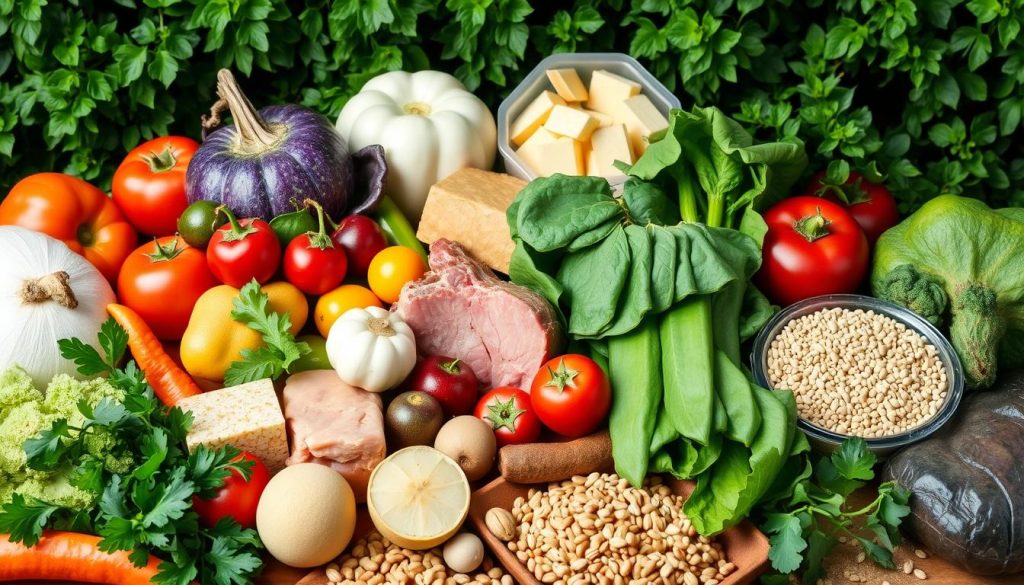
Puppies need balanced nutrition to support their fast growth and development. Dr. Jerry Klein, AKC chief veterinarian, warns against homemade diets for dogs under one year. He suggests using commercial diets like Royal Canin or Hill’s Science Diet, as recommended by your vet.
Adult dogs need a diet that keeps their energy up and health in check. Meal Planning is key to avoid overfeeding, which can cause obesity. Overweight dogs live shorter lives and are less active with their families. A balanced diet with the right proteins, fats, and carbs helps keep them at a healthy weight.
Senior dogs need a diet that supports their aging bodies. Tufts Cummings Veterinary Medical Center Clinical Nutrition Service notes that unclear recipes can lead to nutritionally bad meals. To avoid this, talk to a professional nutritionist or use trusted products like ChefPaw by Innovet Pet Products for fresh, homemade meals.
In short, paying attention to your dog’s dietary needs through careful meal planning and balanced nutrition is crucial for their health and long life. This way, your furry friend stays energetic, healthy, and happy all their life.
Homemade Dog Food Recipes
Making healthy treats for your dog at home lets you control what they eat. This way, you can make sure they get all the nutrients they need. There are many recipes you can try to meet your dog’s nutritional needs.
The Chicken & Rice Comfort Dinner is a favorite, with about 76g of protein per serving. The Tuna and Sweet Pea Surprise has 149g of protein. Both recipes are full of important nutrients. But, remember to add calcium and dog vitamin and mineral powders for the best balance.
If your dog needs special care, like for kidney disease, lean ground beef is a good choice. Add veggies like shredded carrots, green beans, and pumpkin for extra nutrients. Also, include oils rich in Omega-3 to keep their coat shiny and healthy.
It’s key to store homemade dog food right to avoid spoilage and bacteria. Homemade dog food in the fridge should be eaten within three days to stay fresh and safe.
For easy and worry-free meals, services like Cola’s Kitchen offer home-cooked meals. But, getting a diet plan from an animal nutritionist, even if it costs $500, ensures your dog gets a balanced meal made just for them.
While online recipes can be fun, they shouldn’t be the only thing your dog eats. Focus on your dog’s health with the right food, recipe, and treats. This will make them happy and wagging their tail!
Dos and Don’ts of Homemade Dog Food
When making homemade meals for your dog, choose safe ingredients. Stay away from onions, garlic, chocolate, and grapes. These can harm your dog’s health. Use fresh, high-quality ingredients to meet your dog’s dietary needs.
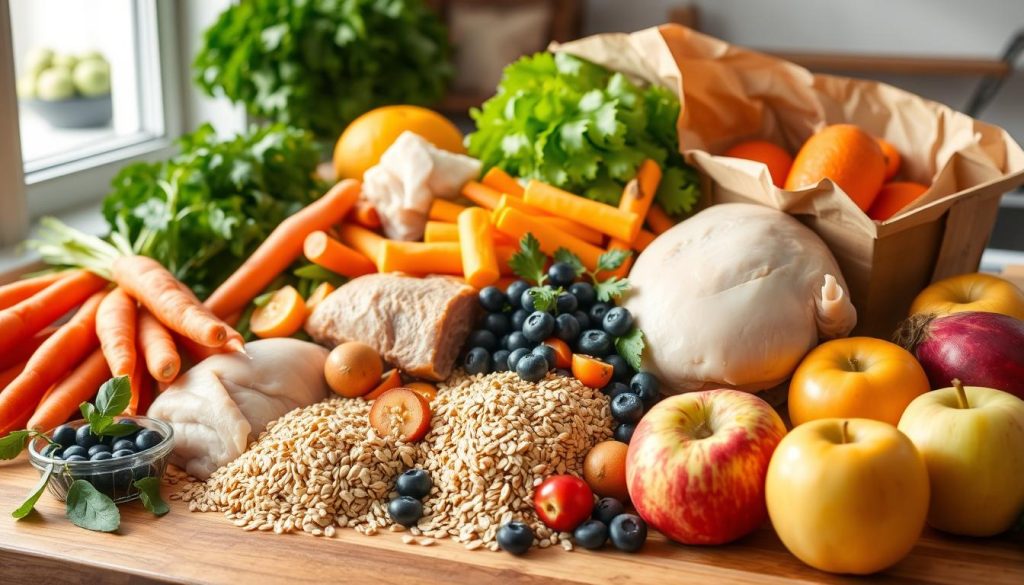
Think about your dog’s dietary restrictions when picking ingredients. Dogs need about 40 essential nutrients for good health. An imbalance can cause malnutrition or obesity. A vet or a board-certified veterinary nutritionist can help create a balanced diet.
Food safety is key. Homemade dog food recipes suggest making large batches. These can be stored in the fridge for 3 to 5 days or frozen for up to 6 months. But, always measure ingredients carefully to avoid nutritional deficiencies.
Be careful with generic recipes. Dr. Larsen and Dr. Bartges advise against unverified sources. Many recipes lack balance and can be dangerous. Following vague instructions can lead to an unbalanced diet, causing health problems like dilated cardiomyopathy in dogs.
Always check the ingredients to keep food safe. Avoid artificial preservatives, too much food dye, and harmful ingredients like xylitol, raisins, and macadamia nuts. Keeping these tips in mind will ensure your homemade dog food is safe and nutritious for your pet.
Storing and Serving Fresh Dog Food
Keeping your homemade dog food fresh is key. Use airtight containers and store them in the fridge or freezer. This keeps the food quality high and prevents contamination. Planning meals ahead saves time and reduces stress.
It’s important to portion meals correctly for your dog’s size, age, and energy needs. The right serving size helps keep your dog healthy and at a good weight. A 50-pound dog might need about 1 pound of food daily. Adjust as needed and check with your vet if unsure.
When cooking in batches, remember that ingredients can lose weight. Lean meats lose about one-third of their weight, and fish can lose up to 50%. So, add a bit more to ensure your dog gets balanced nutrition. Frozen fruits and veggies are also great, offering vitamins and minerals.
When serving, mix in supplements or oils just before feeding. This keeps all nutrients fresh and gives your pets the best diet. By following these steps, your dog will enjoy a healthy, balanced meal every day.
Monitoring Your Dog’s Health and Weight
Regular Health Monitoring and Weight Management are key to your dog’s health. A fresh food diet is a good start. But, routine veterinary check-ups are essential to ensure your dog gets the right food. Your vet will help adjust their diet to keep their weight just right.
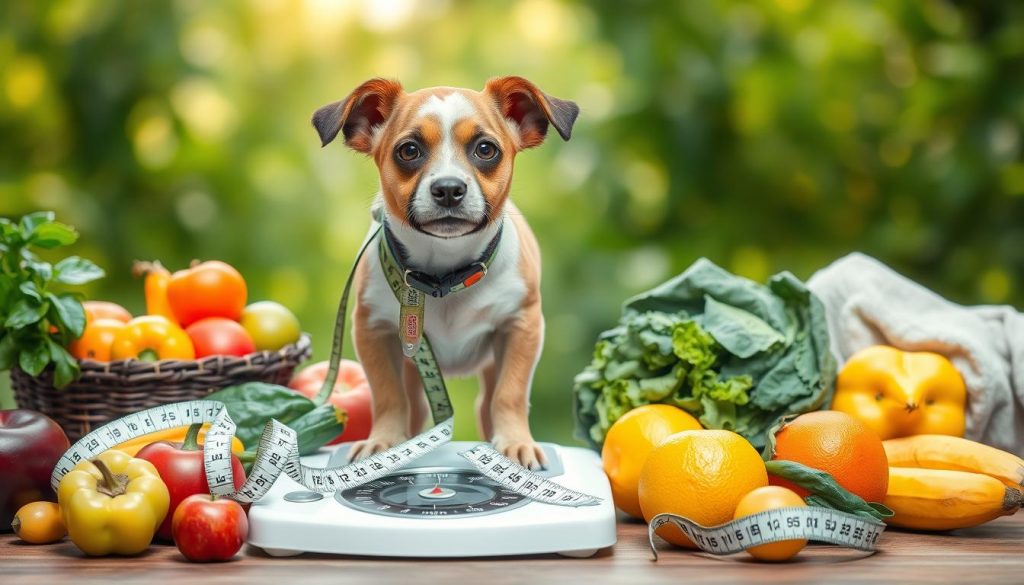
Did you know up to 60% of dogs are overweight? Some breeds, like Labradors and Cocker Spaniels, are more likely to get fat. Keeping your dog’s Body Condition Score (BCS) between 4 and 5 can help them live longer and happier.
Managing your dog’s weight is crucial. Overfeeding and not enough exercise are big problems. To keep your dog fit, make sure they get enough exercise and eat the right amount of food. Treats should only make up 10-20% of their daily calories.
Watch how your dog moves and feels. A healthy dog has lots of energy. Regular vet visits can spot weight-related health issues early. This way, you can adjust their diet and exercise to keep them healthy.
Female dogs, especially after being spayed, need extra weight monitoring. They are more likely to gain weight. Always work with your vet to make sure your dog’s diet is perfect for them.
Tips for Making Meal Prep Easier
Efficient cooking and managing ingredients can make meal prepping easy. Here are some tips to help you:
First, plan your dog’s meals for the week. Think about their age, activity level, and health. Use a food scale to measure proteins, fats, and carbs correctly. Add veggies and fruits for extra nutrition.
Storing prepped food right is key to keeping it fresh. Freeze it if you won’t use it in a few days. It can last up to a year in the freezer, but nutrients may decrease after six months. Thaw it in the fridge or in cold water, changing the water often.
Label each container with the date and your dog’s name. This ensures you use the oldest meals first. Talking to a vet or canine nutritionist can help create a balanced diet plan.
Make a “veggie blend” by mixing all produce together. This saves time. Efficient cooking means healthier, easier-to-digest meals for your dog.
Start with small meal prep goals and grow as you get better. Meal prepping helps keep your dog’s diet consistent. This is good for their health and happiness.
Conclusion
Switching to a homemade diet for your dog is a big step towards their health and happiness. By choosing the ingredients yourself, you make sure your dog gets the best nutrition. This can lead to fewer health problems, making pet care more sustainable.
A balanced diet is important for dogs at every stage of life. Puppies need more protein for fast growth. Adult dogs need the right amount of food to avoid getting too heavy. Senior dogs benefit from diets that are easier on their joints and packed with antioxidants.
Large breed puppies might need extra help for their joints. Omega-3 fatty acids are great for their skin and coat. It’s all about giving the right nutrients at the right time.
Watching your dog’s weight and health is key. Talk to your vet to figure out the right amount of food for your dog. This depends on their breed, size, and how active they are. Staying away from human food is also important for their safety.
With the right diet, exercise, and portion control, your dog will be healthier and happier. This makes them a wonderful companion for years to come.