
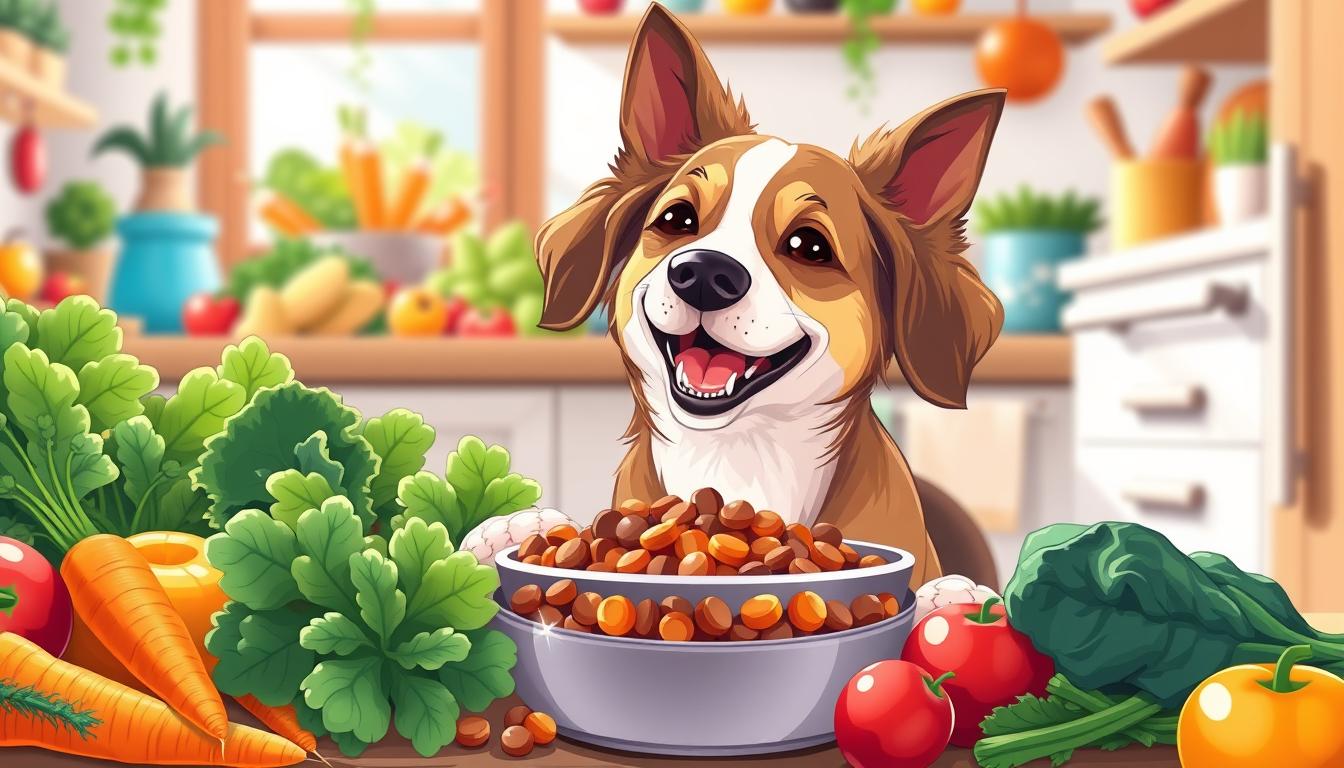
Switching to a fresher diet can greatly improve your dog’s health. It brings back the natural, unprocessed foods their ancestors ate. This leads to better health and many benefits.
Adding fresh meats, veggies, and whole foods makes meals more appealing. It also boosts physical health, energy, and coat quality. A varied diet with fresh foods helps avoid common health issues.
When improving your dog’s diet, remember key health tips. Look for signs of malnutrition and keep their diet balanced. Regular vet visits are also essential. Mixing fresh and commercial foods ensures they get all the nutrients they need.
Introduction to Fresh Food Diets for Dogs
Switching to fresh food diets is a great choice for your dog’s health. It’s like going back to how dogs ate in the wild. This means using fresh meats, bones, and organs with veggies.
One big plus of fresh food diets is better health for dogs. Owners often see better digestion, fewer allergies, and more energy. Plus, it might even lower the risk of chronic diseases.
Start slow when switching to fresh food, over six days to a week. A good mix is 40% protein, 50% veggies, and 10% starch. But, remember to avoid garlic, grapes, onions, chocolate, raisins, and xylitol.
Keep an eye on your dog’s weight to keep them healthy. Talk to a vet for tips on recipes, how much to feed, and supplements. They can also spot any food allergies or dislikes.
Fresh food diets are becoming more popular, with brands like Freshpet and JustFoodForDogs at the forefront. They’re easier to digest than dry kibble and taste better for picky or underweight dogs. Even though it might cost a bit more, it could save you money on vet bills in the long run.
Enhancing Your Dog’s Kibble with Fresh Additions
Even the best kibble can get a boost from fresh foods. Adding fresh meats, veggies, and meal toppers can make a dog’s diet better. This can greatly improve their health and happiness.
It’s good to mix in 10-20% fresh foods with kibble. Studies show this can cut down on diseases. Foods like raw green tripe, berries, and leafy greens add important vitamins and antioxidants. They help strengthen your dog’s immune system.
Adding raw bones is great for teeth and fun for your dog. But, avoid cooked or dry bones because they can splinter. Healthy fats from fish and eggs are also good. They help with skin, coat, and joint health.
But, don’t overdo it with fresh foods. Keep them to 25% of your dog’s calories. This balance keeps your dog’s diet diverse and nutritious. It leads to a healthier, happier life for them.
Incorporating Human Foods Safely
It’s key to know which human foods are safe for dogs. Many foods can add nutrients to their diet. This can help keep them healthy.
Cooked meats like chicken, turkey, and beef are great for dogs. Chicken is especially good because it’s balanced. Fish is also good, especially for dogs with chicken allergies. It gives them protein and omega-3 fatty acids.
Vegetables are also good. Cooked carrots and green beans add fiber and vitamins. Carrots are full of beta-carotene, which is good for health. Green beans have Vitamin C and other nutrients.
Apples and bananas are good fruits for dogs. Apple slices without seeds and core are safe. They’re full of potassium and magnesium. But, give them in small amounts to avoid stomach problems.
Cooked oatmeal is also good for dogs. It has vitamin B and linoleic acid for healthy skin. Cooked pumpkin is full of fiber and beta-carotene. It helps with digestion and keeps their coat shiny.
Adding these foods to your dog’s diet can be good. But, do it slowly and avoid harmful things like onion or garlic powder. Watch how your dog reacts to new foods. This helps keep them safe.
Using Meal Toppers for Added Nutrition
Adding meal toppers to your dog’s diet can be a big change. These rich additions make meals more exciting and good for your pet.
Meal toppers come in many forms, like freeze-dried meats, powders, and sauces. They boost protein, vitamins, and minerals. This makes meals tastier and more nutritious for dogs.

ButcherBox For Pets suggests adding two tablespoons of topper for every 5lbs of dog weight daily. Don’t give more than 10% of your dog’s calories from treats. For a 50lb dog, that’s about 85 calories a day from treats.
Watch your pet’s health when using toppers. Look out for digestive issues or allergies. Always talk to your vet for advice. Store leftovers in the fridge for three days to keep them fresh.
Using meal toppers adds variety and supports your dog’s health. By choosing these wisely and in the right amount, your pet gets a balanced and tasty diet.
Digestive Enzymes and Probiotics
Adding probiotics and enzyme supplements to your dog’s diet can really help. Dogs naturally make their own digestive enzymes after they stop nursing. But, some dogs might need extra help with digestion.
Probiotics are special bacteria that help keep your dog’s digestive system healthy. They come in capsules or powders and add good bacteria to your dog. Research shows that probiotics can help with digestion, skin, and coat health, and even bad breath.
Adding canned pumpkin to your dog’s meals can also help with digestion. It’s safe and works well.
Enzyme supplements are not always needed. Dogs naturally make enzymes for carbs, fats, and proteins. Taking extra enzymes might hurt their natural production. There’s no proof that these supplements help dogs with chronic pancreatitis.
But, dogs with Exocrine Pancreatic Insufficiency (EPI) need powdered enzymes before meals. They often want to eat a lot but can’t gain weight and have loose stools. Most dogs don’t need these supplements, though.
Before giving your dog enzyme supplements, talk to a vet. This is especially true if your dog has ongoing digestive problems like diarrhea for more than a day. A vet can help decide if supplements are right for your dog.
The best way to keep your dog’s digestive system healthy is with a balanced diet. Choose foods that are natural and of high quality. Always check with experts to make sure you’re making the best choices for your pet.
Understanding Pet Health Tips
Keeping your pet happy and healthy is more than just giving them food. Regular exercise is key for their physical health. Without it, they might get too heavy, have breathing problems, or hurt their joints.
Every dog needs different kinds of exercise. This depends on their breed, size, age, and health. So, it’s important to find the right activities for them.
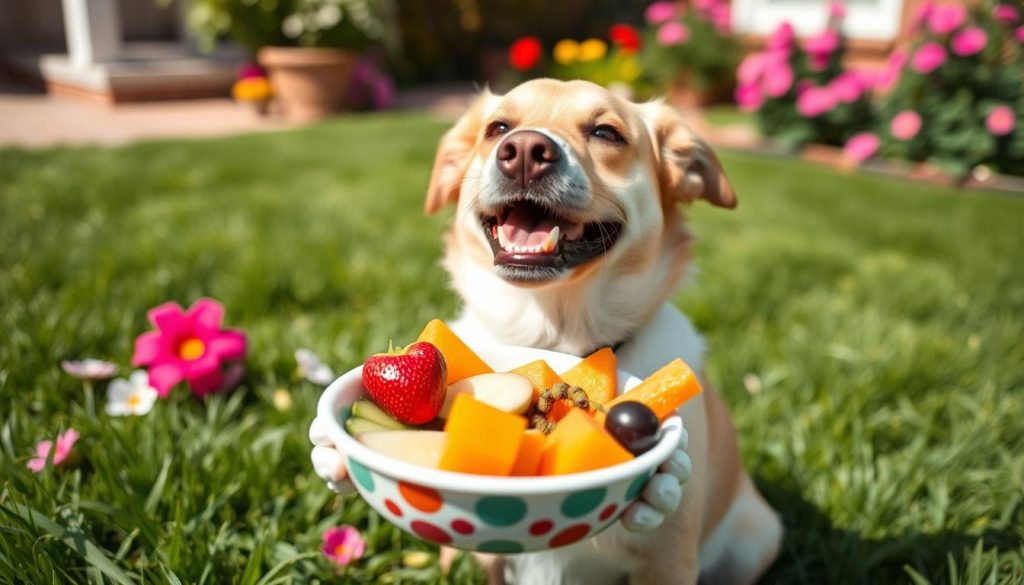
Mental stimulation is also vital for your dog’s mind and behavior. Positive training helps you communicate better and strengthens your bond. Plus, it keeps their mind sharp.
Dental care is another must. Many dogs are at risk for weight problems and dental disease by age three. Good dental care can prevent serious health issues like heart and kidney diseases.
Grooming sessions help spot any health issues early. They can catch problems like dandruff or bald spots. Also, keeping pests away is important to avoid allergies and diseases.
Protecting your dog from extreme weather is crucial. Temperatures below 20 degrees Fahrenheit can cause hypothermia.
Regular vet visits are key to catching health problems early. Spending at least an hour a day with your pet makes them happier. These practices will make your dog’s life better and healthier.
Cooking Methods for Dog-Friendly Foods
When cooking for dogs, the right methods are key. Steaming and boiling are top choices. They keep nutrients high and meals easy to digest for your dog.
It’s important to use pet-safe recipes. Avoid seasonings like garlic and onions, as they can harm your dog. Make sure meats are fully cooked to avoid health risks.
Lean proteins like chicken and turkey are great. The AKC suggests giving chicken a few times a week. Lean ground turkey is also safe, as long as you don’t add seasonings or bones.
Pairing chicken or turkey with rice makes a balanced meal. This mix offers protein and carbs. You can also add some fruits and veggies, but skip toxic ones like grapes and onions.
Sweet potatoes are a great choice because they’re easy to digest. They’re full of fiber and Vitamin A. Healthy cooking is crucial for a balanced diet and to avoid health issues like malnutrition or obesity. Use sites like BalanceIT.com for personalized diets. Always watch your dog’s health when introducing new foods.
Allergy Considerations and Safe Treats
When dealing with dogs that have food sensitivities or allergies, it’s key to steer clear of common culprits like beef, chicken, and some grains. These can cause itchiness, ear or paw issues, and stomach problems. Opting for hypoallergenic treats made from fish or duck can help ease these issues and offer a safe choice for sensitive pets.

About 6 out of 10 homes in the U.S. have a pet. It’s vital to tackle dog food allergies to keep your pet happy and healthy. Hypoallergenic treats are made without common allergens, making them a safer snack option for your dog. Since more people are allergic to cats than dogs, managing dog allergies is crucial for a peaceful home.
Safe dog treats should skip common allergens and use ingredients like sweet potatoes, peas, and duck. Always check the labels to make sure these treats are hypoallergenic. Choosing safe dog treats helps manage allergies and lets your pet enjoy snacks without problems.
Supplementing with Dairy and Eggs
Adding dairy and eggs to your dog’s diet can be good if done right. These foods give important nutrients that boost your dog’s health. Dogs have always looked for eggs, which are full of vitamins, minerals, proteins, and fats.
Eggs are packed with calcium, phosphorus, zinc, vitamins D, E, and K, DHA, and choline. They help keep your dog’s energy up, support muscle growth, and fix tissues. The eggshell membrane can also reduce joint pain and stiffness.
Yogurt and cottage cheese add calcium, protein, and fatty acids to your dog’s diet. But, start with small amounts to see if your dog can handle them. Talk to your vet to figure out the best amount and how often to give them.
It’s also key to feed your dog a variety of foods to keep their immune system strong. A mix of prebiotics and supplements helps build a healthy gut. If your dog has an egg or chicken allergy, try a strict diet trial. Always think about what’s best for your dog’s health when choosing their food.
Conclusion
Adding fresh food to your dog’s diet can greatly improve their health. It’s a natural way to care for them, making them happier and healthier for longer. By choosing safe foods and supplements, you give your dog all the nutrients they need.
Good health for dogs comes from many things. A balanced diet, regular vet visits, and exercise are key. The Piedmont Veterinary Clinic says pets with good diets live 72% longer and healthier lives. Also, regular grooming helps catch skin problems early.
Preventing problems is part of caring for your pet too. Spaying or neutering is common, helping with behavior and health. Positive training and socializing strengthen your bond with your dog. Together, you can enjoy a long, happy life filled with memories.